
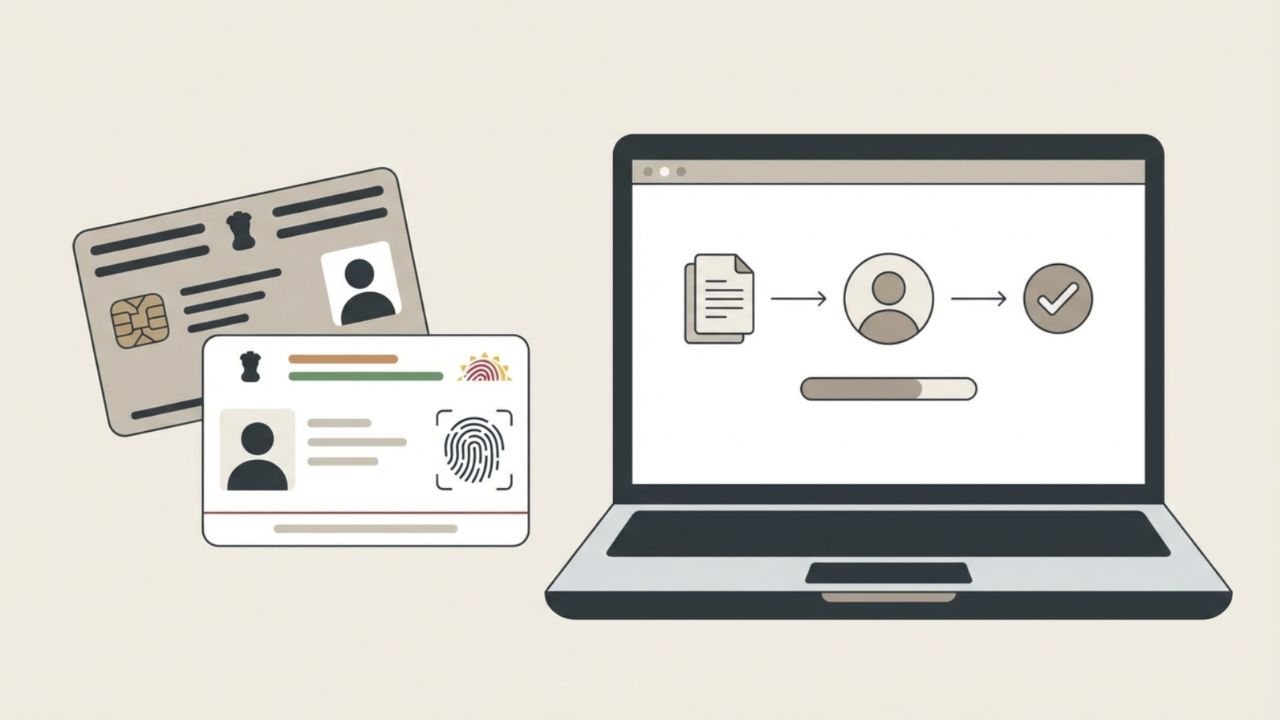
The process of getting a PAN card in India has changed from April 1, 2026, and these updates directly affect both new applicants and those planning corrections. The government has tightened documentation rules, introduced updated forms, and improved the online application system through Protean (formerly NSDL) and the Income Tax e-filing platform.
For most people, the changes are not complicated, but they are important. Missing even one requirement can delay your application. Here is a clear, human-friendly breakdown of what has changed and how to apply without confusion.
Table of Contents
What Has Changed in PAN Rules from April 2026
From the start of the new financial year, the PAN application system has been made more secure and structured. The biggest change is that Aadhaar alone is no longer sufficient in many cases.
Earlier, individuals could easily apply for an e-PAN using only Aadhaar. Now, applicants must provide additional documents, especially proof of date of birth (DOB).
At the same time, the government has also introduced new application formats and procedures to reduce errors and improve verification.
Another important update is that old PAN application forms are no longer valid. Anyone applying after April 1 must use the updated system and formats.
Overall, the focus of these changes is simple: stronger identity verification and fewer chances of duplicate or incorrect PAN records.
Aadhaar-Only Application Is No Longer Enough
One of the most noticeable changes is related to Aadhaar usage.
Until March 31, 2026, Aadhaar-based instant PAN was widely used. However, from April onward, the process has become stricter. Applicants now need:
- Aadhaar (for identity verification)
- Additional proof such as date of birth documents
- Correct matching details across all documents
This means that even if Aadhaar is linked, it cannot be the only document in most cases.
This step has been introduced to ensure higher accuracy in taxpayer records and reduce identity mismatches.
New PAN Application Forms and System Updates
The government has also introduced new forms and digital improvements.
Two major changes stand out:
- New formats for PAN application and correction requests
- Availability of both online and offline submission options
These updated forms are designed to make the process more structured and reduce errors during submission.
Additionally, the Income Tax Department has improved its e-filing portal, making it easier to access services like PAN application, e-verification, and status tracking in one place.
Step-by-Step: How to Apply for PAN via Protean e-Filing
Applying for a PAN card online is still simple if the correct steps are followed. The process through Protean (NSDL) or the Income Tax portal has become more streamlined.
Step 1: Visit the Official Portal
Go to the Protean e-filing or Income Tax website and choose “Apply for PAN.”
Step 2: Select Application Type
Choose whether you are applying for a new PAN or making corrections to an existing one.
Step 3: Fill in Basic Details
Enter personal details such as name, date of birth, mobile number, and email ID carefully.
Step 4: Upload Required Documents
Attach documents including Aadhaar and valid proof of date of birth. Make sure all details match exactly.
Step 5: Complete Verification
Use OTP-based authentication or e-sign options to verify your identity.
Step 6: Pay Application Fee
Complete the payment online and submit the application.
Step 7: Track Your PAN Status
After submission, you will receive an acknowledgment number to track your application.
The online system is designed to minimize manual work, but accuracy in documents is now more important than ever.
PAN Usage Rules Are Also Becoming Stricter
Apart from application changes, PAN usage rules are also evolving.
From April 2026, the government is focusing more on tracking high-value financial transactions. This includes:
- Property transactions (threshold revised up to ₹20 lakh in draft rules)
- Vehicle purchases above certain limits
- Large deposits and payments
These updates aim to improve transparency and reduce tax evasion.
For individuals, this means PAN will remain a critical document in financial activities.
Common Mistakes to Avoid While Applying
Even though the process is online, many applications get delayed due to small errors.
Here are a few things applicants should carefully check:
- Ensure name matches exactly with Aadhaar
- Upload clear and valid documents
- Avoid using outdated forms
- Double-check date of birth details
- Use an active mobile number for OTP
Following these steps can significantly reduce rejection chances.
Final Understanding
The new PAN rules from April 2026 are not meant to make the process difficult—they are designed to make it more accurate and secure.
Aadhaar still plays a key role, but it is no longer the only requirement. Additional documents, updated forms, and improved digital systems are now part of the process.
For applicants, the best approach is simple: use the updated online system, keep documents ready, and ensure all details match perfectly. This will make the PAN application process smooth and hassle-free.